Dear fellow science geeks, researchers, and lifelong learners:
Here you’ll find all the references from my book SuperBetter: A Revolutionary Approach to Getting Stronger, Happier, Braver and More Resilient — Powered by the science of games (Penguin Press, September 15, 2015). These are more than 500 of my favorite scientific studies and books about post-traumatic growth, the psychology and neuroscience of games, the relationship between a gameful mindset and better health and happiness, and everything else that’s superbetter.
Wherever possible, I have linked to a PDF of the full article, so you can really dig in. If the scientific article is available only to subscribers of a particular journal, you may be able to get access at your local library or university. I promise I’ll do my best to keep this page updated, but if you discover a broken link, try searching for the article in Google Scholar. And for new studies that weren’t published yet when I wrote my book, go here!
Enjoy!
Introduction
Mackelprang, Jessica L., et al. “Rates and predictors of suicidal ideation during the first year after traumatic brain injury.” American journal of public health 0 (2014).
Bahraini, Nazanin H., et al. “Suicidal ideation and behaviours after traumatic brain injury: A systematic review.” Brain Impairment 14.01 (2013): 92-112.
Tedeschi, Richard G., and Lawrence G. Calhoun. “Posttraumatic Growth: Conceptual Foundations and Empirical Evidence.” Psychological inquiry 15.1 (2004): 1-18.
Wagner, Birgit, Christine Knaevelsrud, and Andreas Maercker. “Post‐Traumatic Growth and Optimism as Outcomes of an Internet‐Based Intervention for Complicated Grief.” Cognitive Behaviour Therapy 36.3 (2007): 156-161.
Calhoun, Lawrence G., and Richard G. Tedeschi. “Beyond recovery from trauma: Implications for clinical practice and research.” Journal of Social Issues 54.2 (1998): 357-371.
Quiros, Laura. “Trauma, recovery, and growth: Positive psychological perspectives on posttraumatic stress.” (2010): 118-121.
Joseph, Stephen, and P. Alex Linley. “Growth following adversity: Theoretical perspectives and implications for clinical practice.” Clinical psychology review26.8 (2006): 1041-1053.
Tedeschi, Richard G., and Lawrence G. Calhoun. “The Posttraumatic Growth Inventory: Measuring the positive legacy of trauma.” Journal of traumatic stress 9.3 (1996): 455-471.
Cordova, Matthew J., et al. “Posttraumatic growth following breast cancer: a controlled comparison study.” Health Psychology 20.3 (2001): 176.
Cadell, Susan, Cheryl Regehr, and David Hemsworth. “Factors contributing to posttraumatic growth: A proposed structural equation model.” American Journal of Orthopsychiatry 73.3 (2003): 279-28.
Werdel, Mary Beth, and Robert J. Wicks. Primer on Posttraumatic Growth: An Introduction and Guide. John Wiley & Sons, 2012.
Phelps, Kenneth W., et al. “Enrichment, stress, and growth from parenting an individual with an autism spectrum disorder.” Journal of Intellectual and Developmental Disability 34.2 (2009): 133-141.
Devine, Katie A., et al. “Posttraumatic growth in young adults who experienced serious childhood illness: A mixed-methods approach.” Journal of clinical psychology in medical settings 17.4 (2010): 340-348.
Joseph, Stephen. What Doesn’t Kill Us Makes Us Stronger: The New Psychology of Posttraumatic Growth. Basic Books, 2011;
Jones, Janelle M., et al. “That which doesn’t kill us can make us stronger (and more satisfied with life): The contribution of personal and social changes to well-being after acquired brain injury.” Psychology and Health 26.3 (2011): 353-369.
Ware, Bronnie. “Regrets of the Dying.” November 19, 2009. http://bronnieware.com/regrets-of-the-dying/. The article was subsequently expanded to a full-length book: The top five regrets of the dying. Hay House, Inc, 2012.
Roepke, Ann Marie. “Psychosocial Interventions and Posttraumatic Growth: A Meta-Analysis.” (2014).
Roepke, Ann Marie. “Gains without pains? Growth after positive events.” The Journal of Positive Psychology 8.4 (2013): 280-291.
Tremblay, Mark Stephen, et al. “Physiological and health implications of a sedentary lifestyle.” Applied Physiology, Nutrition, and Metabolism 35.6 (2010): 725-740.
Barrientos, Ruth M., et al. “Little exercise, big effects: reversing aging and infection-induced memory deficits, and underlying processes.” The Journal of Neuroscience 31.32 (2011): 11578-11586.
Healy, Genevieve N., et al. “Breaks in Sedentary Time Beneficial associations with metabolic risk.” Diabetes care 31.4 (2008): 661-666.
Martin, Corby K., et al. “Exercise dose and quality of life: a randomized controlled trial.” Archives of Internal Medicine 169.3 (2009): 269.
Hagger, Martin S., et al. “Ego depletion and the strength model of self-control: a meta-analysis.” Psychological bulletin 136.4 (2010): 495.
Fredrickson, Barbara L. “The role of positive emotions in positive psychology: The broaden-and-build theory of positive emotions.” American psychologist56.3 (2001): 218.
Fredrickson, Barbara L. “What good are positive emotions?.” Review of general psychology 2.3 (1998): 300.
Pressman, Sarah D., and Sheldon Cohen. “Does positive affect influence health?.” Psychological bulletin 131.6 (2005): 925.
Kashdan, Todd B., Paul Rose, and Frank D. Fincham. “Curiosity and exploration: Facilitating positive subjective experiences and personal growth opportunities.” Journal of personality assessment 82.3 (2004): 291-305.
Kashdan, Todd. Curious?: Discover The Missing Ingredient To A Fulfilling Life. Harper Paperbacks Pages.” (2010): 352.
Nittono, Hiroshi, et al. “The power of kawaii: Viewing cute images promotes a careful behavior and narrows attentional focus.” PloS one 7.9 (2012): e46362.
Holt-Lunstad, Julianne, Wendy A. Birmingham, and Kathleen C. Light. “Influence of a “warm touch” support enhancement intervention among married couples on ambulatory blood pressure, oxytocin, alpha amylase, and cortisol.“Psychosomatic Medicine 70.9 (2008): 976-985.
Dunbar, Robin IM. “The social role of touch in humans and primates: behavioural function and neurobiological mechanisms.” Neuroscience & Biobehavioral Reviews 34.2 (2010): 260-268;
Moberg, Kerstin Uvnäs. The oxytocin factor: Tapping the hormone of calm, love, and healing. Merloyd Lawrence Books, 2003.
Emmons, Robert A., and Cheryl A. Crumpler. “Gratitude as a human strength: Appraising the evidence.” Journal of Social and Clinical Psychology 19.1 (2000): 56-69.
Algoe, Sara B. “Find, remind, and bind: The functions of gratitude in everyday relationships.” Social and Personality Psychology Compass 6.6 (2012): 455-469.
Algoe, Sara B., Jonathan Haidt, and Shelly L. Gable. “Beyond reciprocity: gratitude and relationships in everyday life.” Emotion 8.3 (2008): 425.
Lenhart, Amanda, et al. “Teens, Video Games and Civics.” Pew Internet Life Report. September 16, 2008.
McGonigal, Jane. Reality is broken: Why games make us better and how they can change the world. New York: Penguin, 2011.
Part One: Why Games Make Us SuperBetter
Cacioppo, John T., Joseph R. Priester, and Gary G. Berntson. “Rudimentary determinants of attitudes: II. Arm flexion and extension have differential effects on attitudes.” Journal of personality and social psychology 65.1 (1993): 5.
Pollick, Amy S., and Frans BM De Waal. “Ape gestures and language evolution.” Proceedings of the National Academy of Sciences 104.19 (2007): 8184-8189.
McNeill, David, et al. “Growth points from the very beginning.” Interaction Studies 9.1 (2008): 117-132.
Chapter One: You Are Stronger Than You Know
Hoffman, Hunter G., et al. “Virtual reality as an adjunctive non-pharmacologic analgesic for acute burn pain during medical procedures.” Annals of Behavioral Medicine 41.2 (2011): 183-191.
You can find up-to-date information about the availability of Snow World virtual reality for pain relief at http://www.hitl.washington.edu/projects/vrpain/
Hoffman, Hunter G. “Virtual Reality Therapy.” Scientific American. 60 – 65. August 2004.
Hoffman, Hunter G., et al. “Using fMRI to study the neural correlates of virtual reality analgesia.” CNS Spectr 11.1 (2006): 45-51.
Jameson, Eleanor, Judy Trevena, and Nic Swain. “Electronic gaming as pain distraction.” Pain Research & Management: The Journal of the Canadian Pain Society 16.1 (2011): 27.
Greco, Molly. Effectiveness of an iPad as a distraction tool for children during a medical procedure. Diss. BALL STATE UNIVERSITY, 2013.
Windich-Biermeier, Andrea, et al. “Effects of distraction on pain, fear, and distress during venous port access and venipuncture in children and adolescents with cancer.” Journal of Pediatric Oncology Nursing 24.1 (2007): 8-19.
Gutman, Sharon A., and Victoria P. Schindler. “The neurological basis of occupation.” Occupational therapy international 14.2 (2007): 71-85.
Nainis, Nancy, et al. “Relieving symptoms in cancer: innovative use of art therapy.” Journal of pain and symptom management 31.2 (2006): 162-169.
Wegner, Daniel M., et al. “Paradoxical effects of thought suppression.” Journal of personality and social psychology 53.1 (1987): 5; also, Lakoff, George. Don’t think of an elephant: Know your values and frame the debate. Chelsea Green Publishing, 2008.
Holmes, Emily A., et al. “Can playing the computer game “Tetris” reduce the build-up of flashbacks for trauma? A proposal from cognitive science.” PloS one 4.1 (2009): e4153.
Holmes, Emily A., et al. “Key steps in developing a cognitive vaccine against traumatic flashbacks: visuospatial Tetris versus verbal Pub Quiz.” PloS one5.11 (2010): e13706.
Skorka-Brown, Jessica, Jackie Andrade, and Jon May. “Playing ‘Tetris’ reduces the strength, frequency and vividness of naturally occurring cravings.”Appetite 76 (2014): 161-165.
Andrade, Jackie, Jon May, and D. K. Kavanagh. “Sensory imagery in craving: From cognitive psychology to new treatments for addiction.” Journal of Experimental Psychopathology 3 (2012).
Xu, Xiaomeng, et al. “An fMRI Study of Nicotine-Deprived Smokers’ Reactivity to Smoking Cues during Novel/Exciting Activity.” PloS one 9.4 (2014): e94598.
Xu, Xiaomeng, et al. “Intense passionate love attenuates cigarette cue-reactivity in nicotine-deprived smokers: An FMRI study.” PloS one 7.7 (2012): e42235.
Patel, Anuradha, et al. “Distraction with a hand‐held video game reduces pediatric preoperative anxiety.” Pediatric Anesthesia 16.10 (2006): 1019-1027.
Yip, Peggy, et al. “Cochrane Review: Non‐pharmacological interventions for assisting the induction of anaesthesia in children.” Evidence‐Based Child Health: A Cochrane Review Journal 6.1 (2011): 71-134.
Csikszentmihalyi, M. “Beyond boredom and anxiety.” The Jossey-Bass behavioral science series (1975).
Csikszentmihalyi, Mihaly. The flow experience and its significance for human psychology. (1988). (Updated 2008)
Csikszentmihalyi, Mihaly. “Activity and happiness: Towards a science of occupation.” Journal of Occupational Science 1.1 (1993): 38-42.
Mansfield, Brenda E., et al. “A possible physiological correlate for mental flow.”The Journal of Positive Psychology 7.4 (2012): 327-333.
Chen, Jenova. “Flow in games (and everything else).” Communications of the ACM 50.4 (2007): 31-34.
Scimeca, Dennis. “How playing casual games could help lead to better soldiers.” Ars Technica. October 5, 2013.
Russoniello, Carmen V., Kevin O’Brien, and Jennifer M. Parks. “EEG, HRV and psychological correlates while playing Bejeweled II: A randomized controlled study.” Stud Health Technol Inform 144 (2009): 189-92.
Russoniello, C. V., Kevin O’Brien, and Jennifer M. Parks. “The effectiveness of casual video games in improving mood and decreasing stress.” Journal of Cyber Therapy and Rehabilitation 2.1 (2009): 53-66.
Primack, Brian A., et al. “Role of video games in improving health-related outcomes: a systematic review.” American journal of preventive medicine 42.6 (2012): 630-638.
Gackenbach, Jayne, and Johnathan Bown. “Mindfulness and video game play: A preliminary inquiry.” Mindfulness 2.2 (2011): 114-122.
Grossman, Paul, et al. “Mindfulness-based stress reduction and health benefits: A meta-analysis.” Journal of psychosomatic research 57.1 (2004): 35-43.
Hofmann, Stefan G., et al. “The effect of mindfulness-based therapy on anxiety and depression: A meta-analytic review.” Journal of consulting and clinical psychology 78.2 (2010): 169.
Chiesa, Alberto, and Alessandro Serretti. “Mindfulness-based stress reduction for stress management in healthy people: a review and meta-analysis.” The journal of alternative and complementary medicine 15.5 (2009): 593-600.
Krygier, Jonathan R., et al. “Mindfulness meditation, well-being, and heart rate variability: A preliminary investigation into the impact of intensive Vipassana meditation.” International Journal of Psychophysiology 89.3 (2013): 305-313.
Davids, Thomas William Rhys, ed. Dialogues of the Buddha. Vol. 1. Motilal Banarsidass Publishe, 2000.
Chapter Two: You Are Surrounded by Potential Allies
Spapé, Michiel M., et al. “Keep Your Opponents Close: Social Context Affects EEG and fEMG Linkage in a Turn-Based Computer Game.” PloS one 8.11 (2013): e78795.
Iacoboni, Marco. “Imitation, empathy, and mirror neurons.” Annual review of psychology 60 (2009): 653-670.
Leslie, Kenneth R., Scott H. Johnson-Frey, and Scott T. Grafton. “Functional imaging of face and hand imitation: towards a motor theory of empathy.”Neuroimage 21.2 (2004): 601-607.
Feldman, Ruth, et al. “Mother and infant coordinate heart rhythms through episodes of interaction synchrony.” Infant Behavior and Development 34.4 (2011): 569-577.
Valdesolo, Piercarlo, Jennifer Ouyang, and David DeSteno. “The rhythm of joint action: Synchrony promotes cooperative ability.” Journal of Experimental Social Psychology 46.4 (2010): 693-695.
Valdesolo, Piercarlo, and David DeSteno. “Synchrony and the social tuning of compassion.” Emotion 11.2 (2011): 262.
Chanel, Guillaume, J. Matias Kivikangas, and Niklas Ravaja. “Physiological compliance for social gaming analysis: Cooperative versus competitive play.”Interacting with Computers 24.4 (2012): 306-316.
Ekman, Inger, et al. “Social Interaction in Games Measuring Physiological Linkage and Social Presence.” Simulation & Gaming 43.3 (2012): 321-338.
Fredrickson, Barbara. Love 2.0: How Our Supreme Emotion Affects Everything We Think, Do, Feel, and Become. Hudson Street Press, 2013.
Field, Tiffany, Brian Healy, and William G. LeBlanc. “Sharing and synchrony of behavior states and heart rate in nondepressed versus depressed mother-infant interactions.” Infant Behavior and Development 12.3 (1989): 357-376.
Stephens, Greg J., Lauren J. Silbert, and Uri Hasson. “Speaker–listener neural coupling underlies successful communication.” Proceedings of the National Academy of Sciences 107.32 (2010): 14425-14430.
Kok, Bethany E., and Barbara L. Fredrickson. “Upward spirals of the heart: Autonomic flexibility, as indexed by vagal tone, reciprocally and prospectively predicts positive emotions and social connectedness.” Biological psychology 85.3 (2010): 432-436.
Levenson, Robert W., and John M. Gottman. “Marital interaction: physiological linkage and affective exchange.” Journal of personality and social psychology45.3 (1983): 587.
Walker, Charles J. “Experiencing flow: Is doing it together better than doing it alone?.” The Journal of Positive Psychology 5.1 (2010): 3-11.
Järvelä, Simo, et al. “Physiological Linkage of Dyadic Gaming Experience.”Simulation & Gaming (2013): 1046878113513080.
Coyne, Sarah M., et al. “Game on… girls: associations between co-playing video games and adolescent behavioral and family outcomes.” Journal of Adolescent Health 49.2 (2011): 160-165
Padilla‐Walker, Laura M., Sarah M. Coyne, and Ashley M. Fraser. “Getting a High‐Speed Family Connection: Associations Between Family Media Use and Family Connection.” Family Relations 61.3 (2012): 426-440.
Buswell, Lydia, et al. “The relationship between father involvement in family leisure and family functioning: The importance of daily family leisure.” Leisure Sciences 34.2 (2012): 172-190.
Bavelier, Daphne, et al. “Brains on video games.” Nature Reviews Neuroscience 12.12 (2011): 763-768.
J. Wainer, K. Dautenhahn, B. Robins, and F. Amirabdollahian, “A pilot study with a novel setup for collaborative play of the humanoid robot KASPAR with children with autism,” International Journal of Social Robotics, vol. 6, no. 1, pp. 45-65, 2014.
Moderator: Bill Ferguson, Participants: Cay Anderson-Hanley, Micah O. Mazurek, Sarah Parsons, and Zachary Warren. “Game Interventions for Autism Spectrum Disorder.” Games for Health Journal, August 2012; 1 (4): 248-253 DOI: 10.1089/g4h.2012.0717.
“Video games can benefit autistic children: Study.” Agence France-Presse. March 7, 2014.
Valdesolo, Piercarlo, Jennifer Ouyang, and David DeSteno. “The rhythm of joint action: Synchrony promotes cooperative ability.” Journal of Experimental Social Psychology 46.4 (2010): 693-695.
Sebanz, Natalie, Harold Bekkering, and Günther Knoblich. “Joint action: bodies and minds moving together.” Trends in cognitive sciences 10.2 (2006): 70-76.
Miles, Lynden K., Louise K. Nind, and C. Neil Macrae. “The rhythm of rapport: Interpersonal synchrony and social perception.” Journal of experimental social psychology 45.3 (2009): 585-589.
Batson, C. Daniel, et al. “Empathy, attitudes, and action: Can feeling for a member of a stigmatized group motivate one to help the group?.” Personality and Social Psychology Bulletin 28.12 (2002): 1656-1666
Batson, C. Daniel, et al. “Empathy and attitudes: Can feeling for a member of a stigmatized group improve feelings toward the group?.” Journal of personality and social psychology 72.1 (1997): 105.
Gutsell, Jennifer N., and Michael Inzlicht. “Empathy constrained: Prejudice predicts reduced mental simulation of actions during observation of outgroups.”Journal of Experimental Social Psychology 46.5 (2010): 841-845.
“Games for Peace: Bridging Conflict Through Online Games.” http://gamesforpeace.org/ Accessed April 20, 2014.
Wohn, Donghee Yvette, et al. “The” S” in social network games: Initiating, maintaining, and enhancing relationships.” System Sciences (HICSS), 2011 44th Hawaii International Conference on. IEEE, 2011.
Wohn, D., et al. “Building common ground and reciprocity through social network games.” CHI’10 Extended Abstracts on Human Factors in Computing Systems. ACM, 2010.
Trepte, Sabine, Leonard Reinecke, and Keno Juechems. “The social side of gaming: How playing online computer games creates online and offline social support.” Computers in Human Behavior 28.3 (2012): 832-839.
Oxford, Jonathan, Davidé Ponzi, and David C. Geary. “Hormonal responses differ when playing violent video games against an ingroup and outgroup.”Evolution and Human Behavior 31.3 (2010): 201-209.
Zilioli, Samuele, and Neil V. Watson. “The hidden dimensions of the competition effect: Basal cortisol and basal testosterone jointly predict changes in salivary testosterone after social victory in men.” Psychoneuroendocrinology37.11 (2012): 1855-1865.
Hermans, Erno Jan, Peter Putman, and Jack Van Honk. “Testosterone administration reduces empathetic behavior: A facial mimicry study.”Psychoneuroendocrinology 31.7 (2006): 859-866.
Zak, Paul J., et al. “Testosterone administration decreases generosity in the ultimatum game.” PLoS One 4.12 (2009): e8330.
Mazur, Allan, Elizabeth J. Susman, and Sandy Edelbrock. “Sex difference in testosterone response to a video game contest.” Evolution and human behavior18.5 (1997): 317-326.
Carré, Justin M., Susan K. Putnam, and Cheryl M. McCormick. “Testosterone responses to competition predict future aggressive behaviour at a cost to reward in men.” Psychoneuroendocrinology 34.4 (2009): 561-570.
Carré, Justin M., Cheryl M. McCormick, and Ahmad R. Hariri. “The social neuroendocrinology of human aggression.” Psychoneuroendocrinology 36.7 (2011): 935-944.
Mehta, Pranjal H., Amanda C. Jones, and Robert A. Josephs. “The social endocrinology of dominance: basal testosterone predicts cortisol changes and behavior following victory and defeat.” Journal of personality and social psychology 94.6 (2008): 1078.
Przybylski, Andrew K.; Deci, Edward L.; Rigby, C. Scott; Ryan, Richard M. “Competence-impeding electronic games and players’ aggressive feelings, thoughts, and behaviors.”Journal of Personality and Social Psychology, Vol 106(3), Mar 2014, 441-457.
Mihan, Robert, Yvonne Anisimowicz, and Richard Nicki. “Safer with a partner: Exploring the emotional consequences of multiplayer video gaming.“Computers in Human Behavior 44 (2015): 299-304.
Chapter Three: You Are the Hero of Your Own Story
Kato, Pamela M., et al. “A video game improves behavioral outcomes in adolescents and young adults with cancer: a randomized trial.” Pediatrics 122.2 (2008): e305-e317.
Tate, Richard, Jana Haritatos, and Steve Cole. “HopeLab’s approach to Re-Mission.” MIT Press (2009): 29-35.
Song, Hye-Sue, and Paul M. Lehrer. “The effects of specific respiratory rates on heart rate and heart rate variability.” Applied psychophysiology and biofeedback 28.1 (2003): 13-23.
Lehrer, PAUL M. “Biofeedback training to increase heart rate variability.”Principles and practice of stress management 3 (2007): 227-248.
Goldberger, Jeffrey J., et al. “Relationship of heart rate variability to parasympathetic effect.” Circulation 103.15 (2001): 1977-1983.
Stauss, Harald M. “Heart rate variability.” American Journal of Physiology-Regulatory, Integrative and Comparative Physiology 285.5 (2003): R927-R931.
Koepp, Matthias J., et al. “Evidence for striatal dopamine release during a video game.” Nature 393.6682 (1998): 266-268.
Hellman, Matilda, et al. “Is there such a thing as online video game addiction? A cross-disciplinary review.” Addiction Research & Theory 21.2 (2013): 102-112.
Rehbein, Florian, et al. “Prevalence and risk factors of video game dependency in adolescence: results of a German nationwide survey.” Cyberpsychology, Behavior, and Social Networking 13.3 (2010): 269-277
Van Rooij, Antonius J., et al. “Online video game addiction: identification of addicted adolescent gamers.” Addiction 106.1 (2011): 205-212
Gentile, Douglas. “Pathological Video-Game Use Among Youth Ages 8 to 18 A National Study.” Psychological science 20.5 (2009): 594-602.
Kurniawan, Irma Triasih, Marc Guitart-Masip, and Ray J. Dolan. “Dopamine and effort-based decision making.” Frontiers in neuroscience 5 (2011).
Walton, M. E., et al. “Weighing up the benefits of work: behavioral and neural analyses of effort-related decision making.” Neural networks 19.8 (2006): 1302-1314.
Treadway, Michael T., et al. “Worth the ‘EEfRT’? The effort expenditure for rewards task as an objective measure of motivation and anhedonia.” PLoS One4.8 (2009): e6598.
Treadway, Michael T., et al. “Dopaminergic mechanisms of individual differences in human effort-based decision-making.” The Journal of Neuroscience 32.18 (2012): 6170-6176.
Cléry-Melin, Marie-Laure, et al. “Why don’t you try harder? An investigation of effort production in major depression.” PloS one 6.8 (2011): e23178.
Vo, Loan TK, et al. “Predicting individuals’ learning success from patterns of pre-learning MRI activity.” PloS one 6.1 (2011): e16093.
Breitenstein, Caterina, et al. “Hippocampus activity differentiates good from poor learners of a novel lexicon.” Neuroimage 25.3 (2005): 958-968.
Wise, Roy A. “Dopamine, learning and motivation.” Nature reviews neuroscience 5.6 (2004): 483-494.
Ventura, Matthew, Valerie Shute, and Weinan Zhao. “The relationship between video game use and a performance-based measure of persistence.” Computers & Education 60.1 (2013): 52-58.
Treadway, Michael T., et al. “Dopaminergic mechanisms of individual differences in human effort-based decision-making.” The Journal of Neuroscience 32.18 (2012): 6170-6176.
Kühn, Simone, et al. “The neural basis of video gaming.” Translational psychiatry 1.11 (2011): e53.
Kühn, S., et al. “Playing Super Mario induces structural brain plasticity: gray matter changes resulting from training with a commercial video game.”Molecular psychiatry (2013).
Green, C. Shawn, and Daphne Bavelier. “The cognitive neuroscience of video games.” Digital media: Transformations in human communication (2006): 211-223
Dye, Matthew WG, C. Shawn Green, and Daphne Bavelier. “Increasing speed of processing with action video games.” Current Directions in Psychological Science 18.6 (2009): 321-326
Green, C. Shawn, Alexandre Pouget, and Daphne Bavelier. “Improved probabilistic inference as a general learning mechanism with action video games.” Current Biology 20.17 (2010): 1573-1579.
Bavelier, Daphne, et al. “Removing brakes on adult brain plasticity: from molecular to behavioral interventions.” The Journal of neuroscience 30.45 (2010): 14964-14971.
JOJA, Daniela Oltea. “LEARNING EXPERIENCE AND NEUROPLASTICITY–A SHIFTING PARADIGM.” Nature Reviews Neuroscience 3.1 (2002): 65-71.
Cole, Steven W., Daniel J. Yoo, and Brian Knutson. “Interactivity and reward-related neural activation during a serious videogame.” PloS one 7.3 (2012): e33909
Kätsyri, Jari, et al. “The opponent matters: elevated fMRI reward responses to winning against a human versus a computer opponent during interactive video game playing.” Cerebral Cortex 23.12 (2013): 2829-2839
Mathiak, Klaus, and René Weber. “Toward brain correlates of natural behavior: fMRI during violent video games.” Human brain mapping 27.12 (2006): 948-956
Saito, Keiichi, Naoki Mukawa, and Masao Saito. “Brain activity comparison of different-genre video game players.” Innovative Computing, Information and Control, 2007. ICICIC’07. Second International Conference on. IEEE, 2007.
Klasen, Martin, et al. “Neural contributions to flow experience during video game playing.” Social cognitive and affective neuroscience 7.4 (2012): 485-495.
Kätsyri, Jari, et al. “When just looking ain’t enough: phasic fMRI reward responses during playing versus watching a video game.” Frontiers in Psychology (2013).
Fox, Jesse, and Jeremy N. Bailenson. “Virtual self-modeling: The effects of vicarious reinforcement and identification on exercise behaviors.” Media Psychology 12.1 (2009): 1-25.
Bailenson, Jeremy N. “Doppelgangers-a new form of self?.” PSYCHOLOGIST25.1 (2012): 36-38.
Fox, J., & Bailenson, J.N. (2010). The use of doppelgängers to promote health behavior change. CyberTherapy & Rehabilitation, 3 (2), 16-17.
Rosenberg, Robin S., Shawnee L. Baughman, and Jeremy N. Bailenson. “Virtual superheroes: Using superpowers in virtual reality to encourage prosocial behavior.” PloS one 8.1 (2013): e55003.
Nelson, Leif D., and Michael I. Norton. “From student to superhero: Situational primes shape future helping.” Journal of Experimental Social Psychology 41.4 (2005): 423-430.
Chapter Four: You Can Make the Leap from Games to Gameful
Mentzoni, Rune Aune, et al. “Problematic video game use: estimated prevalence and associations with mental and physical health.”Cyberpsychology, behavior, and social networking 14.10 (2011): 591-596
Gentile, Douglas A., et al. “Pathological video game use among youths: a two-year longitudinal study.” Pediatrics 127.2 (2011): e319-e329
Gentile, Douglas. “Pathological Video-Game Use Among Youth Ages 8 to 18 A National Study.” Psychological science 20.5 (2009): 594-602.
Chen, Lily Shui-Lien, Hill Hung-Jen Tu, and Edward Shih-Tse Wang. “Personality traits and life satisfaction among online game players.”CyberPsychology & Behavior 11.2 (2008): 145-149
Kahlbaugh, Patricia E., et al. “Effects of playing wii on well-being in the elderly: physical activity, loneliness, and mood.” Activities, Adaptation & Aging 35.4 (2011): 331-344
Jung, Younbo, et al. “Games for a better life: effects of playing Wii games on the well-being of seniors in a long-term care facility.” Proceedings of the Sixth Australasian Conference on Interactive Entertainment. ACM, 2009
Griffiths, Mark. “Video games and Health: Video gaming is safe for most players and can be useful in health care.” BMJ: British Medical Journal331.7509 (2005): 122
Allaire, Jason C., et al. “Successful aging through digital games: Socioemotional differences between older adult gamers and Non-gamers.”Computers in Human Behavior 29.4 (2013): 1302-1306.
Padilla-Walker, Laura M., et al. “More than a just a game: video game and internet use during emerging adulthood.” Journal of Youth and Adolescence 39.2 (2010): 103-113.
Anand, Vivek. “A study of time management: The correlation between video game usage and academic performance markers.” CyberPsychology & Behavior 10.4 (2007): 552-559.
Desai, Rani A., et al. “Video-gaming among high school students: Health correlates, gender differences, and problematic gaming.” Pediatrics 126.6 (2010): e1414-e1424
Adachi, Paul JC, and Teena Willoughby. “More than just fun and games: the longitudinal relationships between strategic video games, self-reported problem solving skills, and academic grades.” Journal of youth and adolescence 42.7 (2013): 1041-1052.
Richards, Rosalina, et al. “Adolescent screen time and attachment to parents and peers.” Archives of pediatrics & adolescent medicine 164.3 (2010): 258-262
Lo, Shao-Kang, Chih-Chien Wang, and Wenchang Fang; also, “Physical interpersonal relationships and social anxiety among online game players.”CyberPsychology & Behavior 8.1 (2005): 15-20.
Coyne, Sarah M., et al. “Game on… girls: associations between co-playing video games and adolescent behavioral and family outcomes.” Journal of Adolescent Health 49.2 (2011): 160-165.
Kneer, Julia, and Sabine Glock. “Escaping in digital games: The relationship between playing motives and addictive tendencies in males.” Computers in Human Behavior 29.4 (2013): 1415-1420.
Hilgard, Joseph Benjamin, Christopher R. Engelhardt, and Bruce D. Bartholow. “Individual Differences in Motives, Preferences, and Pathology in Video Games.” Frontiers in Psychology: 0.
Przybylski, Andrew K., C. Scott Rigby, and Richard M. Ryan. “A motivational model of video game engagement.” Review of General Psychology 14.2 (2010): 154.
Przybylski, Andrew K., et al. “Having to versus wanting to play: Background and consequences of harmonious versus obsessive engagement in video games.” CyberPsychology & Behavior 12.5 (2009): 485-492.
Stenseng, Frode, Jostein Rise, and Pål Kraft. “Activity engagement as escape from self: The role of self-suppression and self-expansion.” Leisure Sciences34.1 (2012): 19-38.
Stenseng, Frode, Jostein Rise, and Pål Kraft. “The dark side of leisure: Obsessive passion and its covariates and outcomes.” Leisure Studies 30.1 (2011): 49-62
Stenseng, Frode. “The two faces of leisure activity engagement: Harmonious and obsessive passion in relation to intrapersonal conflict and life domain outcomes.” Leisure Sciences 30.5 (2008): 465-481.
Granic, Isabela, Adam Lobel, and Rutger CME Engels. “The benefits of playing video games.” American Psychologist journal Vol. 69, No. 1, 66–78 (2014).
Dye, Matthew WG, C. Shawn Green, and Daphne Bavelier. “Increasing speed of processing with action video games.” Current Directions in Psychological Science 18.6 (2009): 321-326
Green, C. Shawn, Alexandre Pouget, and Daphne Bavelier. “Improved probabilistic inference as a general learning mechanism with action video games.” Current Biology 20.17 (2010): 1573-1579
Hubert‐Wallander, Bjorn, C. Shawn Green, and Daphne Bavelier. “Stretching the limits of visual attention: The case of action video games.” Wiley Interdisciplinary Reviews: Cognitive Science 2.2 (2011): 222-230
Bavelier, Daphne, et al. “Brain plasticity through the life span: Learning to learn and action video games.” Annual review of neuroscience 35 (2012): 391-416
Shawn Green, C., et al. “The effect of action video game experience on task-switching.” Computers in human behavior 28.3 (2012): 984-994
Mishra, Jyoti, et al. “Neural basis of superior performance of action videogame players in an attention-demanding task.” The Journal of Neuroscience 31.3 (2011): 992-998.
Steinkuehler, Constance, and Sean Duncan. “Scientific habits of mind in virtual worlds.” Journal of Science Education and Technology 17.6 (2008): 530-543
Chuang, Tsung-Yen, and Wei-Fan Chen. “Effect of computer-based video games on children: An experimental study.” Digital Game and Intelligent Toy Enhanced Learning, 2007. DIGITEL’07. The First IEEE International Workshop on. IEEE, 2007
Adachi, Paul JC, and Teena Willoughby. “More than just fun and games: the longitudinal relationships between strategic video games, self-reported problem solving skills, and academic grades.” Journal of youth and adolescence 42.7 (2013): 1041-1052.
Jackson, Linda A., Edward A. Witt, and Ivan Alexander Games. “Videogame Playing and Creativity: Findings from the Children and Technology Project.”NATIONAL SOCIAL SCIENCE PROCEEDINGS Volume 47 Seattle Summer Seminar, 2011
Jackson, Linda A. “The Upside of Videogame Playing.” GAMES FOR HEALTH: Research, Development, and Clinical Applications 1.6 (2012): 452-455.
“A Consensus on the Brain Training Industry from the Scientific Community.” Berlin Max Planck Institute for Human Development and Stanford Center on Longevity. October 20, 2014. http://longevity3.stanford.edu/blog/2014/10/15/the-consensus-on-the-brain-training-industry-from-the-scientific-community/
Shute, Valerie, Matthew Ventura, and Fengfeng Ke. “The power of play: The effects of portal 2 and lumosity on cognitive and noncognitive skills.” Computers & Education (2014)
Whitlock, Laura A., Anne Collins McLaughlin, and Jason C. Allaire. “Individual differences in response to cognitive training: Using a multi-modal, attentionally demanding game-based intervention for older adults.” Computers in Human Behavior 28.4 (2012): 1091-1096.
Przybylski, Andrew K., C. Scott Rigby, and Richard M. Ryan. “A motivational model of video game engagement.” Review of General Psychology 14.2 (2010): 154
Bateman, Christopher “Top Ten Emotions of Videogames – Results of the DGD2 Global Survey” Only a Game (2008)
Ravaja, Niklas, et al. “The Psychophysiology of Video Gaming: Phasic Emotional Responses to Game Events.” DIGRA Conf.. 2005.
Olson, Cheryl K. “Children’s motivations for video game play in the context of normal development.” Review of General Psychology 14.2 (2010): 180
Ferguson, Christopher J., and Cheryl K. Olson. “Friends, fun, frustration and fantasy: Child motivations for video game play.” Motivation and Emotion 37.1 (2013): 154-164
Jansz, Jeroen. “The emotional appeal of violent video games for adolescent males.” Communication Theory 15.3 (2005): 219-241.
Gackenbach, Jayne, Beena Kuruvilla, and Raelyne Dopko. “Video game play and dream bizarreness.” Dreaming 19.4 (2009): 218
Gackenbach, Jayne. “Electronic media and lucid-control dreams: Morning after reports.” Dreaming 19.1 (2009): 1
Gackenbach, Jayne, and Beena Kuruvilla. “The relationship between video game play and threat simulation dreams.” Dreaming 18.4 (2008): 236
Gackenbach, Jayne. “Video game play and lucid dreams: Implications for the development of consciousness.” Dreaming 16.2 (2006): 96.
Ewoldsen, David R., et al. “Effect of playing violent video games cooperatively or competitively on subsequent cooperative behavior.” Cyberpsychology, Behavior, and Social Networking 15.5 (2012): 277-280
Velez, John A., et al. “Ingroup versus outgroup conflict in the context of violent video game play: The effect of cooperation on increased helping and decreased aggression.” Communication Research (2012): 0093650212456202
Greitemeyer, Tobias, and Christopher Cox. “There’s no “I” in team: Effects of cooperative video games on cooperative behavior.” European Journal of Social Psychology 43.3 (2013): 224-228
Greitemeyer, Tobias. “Playing video games cooperatively increases empathic concern.” Social Psychology 44.6 (2013): 408;
Jerabeck, Jessica M., and Christopher J. Ferguson. “The influence of solitary and cooperative violent video game play on aggressive and prosocial behavior.”Computers in Human Behavior 29.6 (2013): 2573-2578.
Ferguson, Christopher J., and Adolfo Garza. “Call of (civic) duty: Action games and civic behavior in a large sample of youth.” Computers in Human Behavior27.2 (2011): 770-775
Ducheneaut, Nicolas, and Robert J. Moore. “More than just ‘XP’: learning social skills in massively multiplayer online games.” Interactive Technology and Smart Education 2.2 (2005): 89-100
Lisk, Timothy C., Ugur T. Kaplancali, and Ronald E. Riggio. “Leadership in multiplayer online gaming environments.” Simulation & Gaming 43.1 (2012): 133-149.
Hayes, Steven C., et al. “Measuring Experiential Avoidance: A Preliminary Test of a Working Model.” Psychological Record 54.4 (2004)
Kashdan, Todd B., et al. “Experiential avoidance as a generalized psychological vulnerability: Comparisons with coping and emotion regulation strategies.” Behaviour Research and Therapy 44.9 (2006): 1301-1320
Kanter, Jonathan W., David E. Baruch, and Scott T. Gaynor. “Acceptance and commitment therapy and behavioral activation for the treatment of depression: Description and comparison.” The Behavior Analyst 29.2 (2006): 161.
Most recently: Andrew K. Przybylski. Electronic Gaming and Psychosocial Adjustment. Pediatrics, August 4, 2014 DOI: 10.1542/peds.2013-4021
Hussain, Zaheer, and Mark D. Griffiths. “Excessive use of massively multi-player online role-playing games: A pilot study.” International Journal of Mental Health and Addiction 7.4 (2009): 563-571.
King, Daniel, and Paul Delfabbro. “MOTIVATIONAL DIFFERENCES IN PROBLEM VIDEO GAME PLAY.” Journal of CyberTherapy & Rehabilitation (JCR) 2.2 (2009).
McDonell-Parry, Amelia. “Incredibly Deep Life Lessons from Candy Crush Saga.” July 8, 2013. The Frisky.
Part Two: How to Be Gameful
Roepke, Ann Marie, Sara R. Jaffee, Olivia M. Riffle, Jane McGonigal, Rose Broome, Bez Maxwell. “Randomized Controlled Trial of SuperBetter, a Smartphone-based/Internet-based Self-Help Tool to Reduce Depressive Symptoms.” Games for Health. (forthcoming).
Roepke, Ann Marie. “Results of A Randomized Controlled Trial: The Effects of SuperBetter on Depression.” University of Pennsylvania. July 15, 2013.
“Clinical Trial of a Rehabiliation Game – SuperBetter.” NIH-funded trial in collaboration with Ohio State University Medical Research Center.
Chapter Five: Challenge Yourself
Although players do report sometimes feeling frustration, anger and sadness during game play, they also report that the “pretend” context of game play creates a safe environment to practice controlling or changing these negative emotions. A good summary of this phenomenon is found in Granic, Isabela, Adam Lobel, and Rutger CME Engels. “The benefits of playing video games.” American Psychologist, Vol 69(1), Jan 2014, 66-78.
Harmison, Robert J. “Peak performance in sport: Identifying ideal performance states and developing athletes’ psychological skills.” (2011): 3.
Brooks, Alison Wood. “Get Excited: Reappraising Pre-Performance Anxiety as Excitement.” (2013). Journal of Experimental Psychology: General, Vol 143(3), Jun 2014, 1144-1158.
The seminal work on the subject of threat versus challenge mindset is Folkman, Susan, et al. “Dynamics of a stressful encounter: cognitive appraisal, coping, and encounter outcomes.” Journal of personality and social psychology50.5 (1986): 992.
Ryan, Richard M., C. Scott Rigby, and Andrew Przybylski. “The motivational pull of video games: A self-determination theory approach.” Motivation and emotion 30.4 (2006): 344-360
Juul, Jesper. “Fear of failing? The many meanings of difficulty in video games.” The video game theory reader 2 (2009): 237-252.
This has been a particularly consistent finding in digital game research over the past 30 years, starting with McClure, Robert F., and F. Gary Mears. “Video game players: Personality characteristics and demographic variables.” Psychological Reports 55.1 (1984): 271-276. through Sherry, John L., et al. “Video game uses and gratifications as predictors of use and game preference.” Playing video games: Motives, responses, and consequences (2006): 213-224 and Lucas, Kristen, and John L. Sherry. “Sex differences in video game play: A communication-based explanation.” Communication Research 31.5 (2004): 499-523; also, Olson, Cheryl K. “Children’s motivations for video game play in the context of normal development.” Review of General Psychology 14.2 (2010): 180.
For an excellent overview of this research, see Drach-Zahavy, Anat, and Miriam Erez. “Challenge versus threat effects on the goal–performance relationship.” Organizational Behavior and Human Decision Processes 88.2 (2002): 667-682.
Troy, Allison S., et al. “Seeing the silver lining: cognitive reappraisal ability moderates the relationship between stress and depressive symptoms.”Emotion 10.6 (2010): 783.
Seijts, Gerard H., and Gary P. Latham. “Learning versus performance goals: When should each be used?.” The Academy of Management Executive 19.1 (2005): 124-131
Kingston, Kieran M., and Lew Hardy. “Effects of different types of goals on processes that support performance.” (1997).
Drach-Zahavy, Anat, and Miriam Erez. “Challenge versus threat effects on the goal–performance relationship.” Organizational Behavior and Human Decision Processes 88.2 (2002): 667-682.
Chapter Six: Power-Ups
Groves, Duncan A., and Verity J. Brown. “Vagal nerve stimulation: a review of its applications and potential mechanisms that mediate its clinical effects.”Neuroscience & Biobehavioral Reviews 29.3 (2005): 493-500.
Beginning with Porges, Stephen W. “Vagal tone: a physiologic marker of stress vulnerability.”Pediatrics 90.3 (1992): 498-504 through Carnevali, Luca, and Andrea Sgoifo. “Vagal modulation of resting heart rate in rats: the role of stress, psychosocial factors, and physical exercise.” Frontiers in physiology 5 (2014).
For a basic overview of respiratory sinus arrhythmia research, see Grossman, Paul, and Edwin W. Taylor. “Toward understanding respiratory sinus arrhythmia: relations to cardiac vagal tone, evolution and biobehavioral functions.” Biological psychology 74.2 (2007): 263-285.
Thayer, Julian F., and Richard D. Lane. “The role of vagal function in the risk for cardiovascular disease and mortality.” Biological psychology 74.2 (2007): 224-242; also, Schmidt, Georg, et al. “RESPIRATORY SINUS ARRHYTHMIA PREDICTS MORTALITY AFTER MYOCARDIAL INFARCTION.” Journal of the American College of Cardiology 63.12_S (2014); also Al Hazzouri, Adina Zeki, et al. “Reduced Heart Rate Variability Is Associated With Worse Cognitive Performance in Elderly Mexican Americans.”Hypertension 63.1 (2014): 181-187; also Licht, Carmilla MM, Eco JC de Geus, and Brenda WJH Penninx. “Dysregulation of the autonomic nervous system predicts the development of the metabolic syndrome.” The Journal of Clinical Endocrinology & Metabolism98.6 (2013): 2484-2493; also Bibevski, Steve, and Mark E. Dunlap. “Evidence for impaired vagus nerve activity in heart failure.” Heart failure reviews 16.2 (2011): 129-135; also THAYER, JULIAN F. “Vagal tone and the inflammatory reflex.” Cleveland Clinic Journal of Medicine 76.Suppl 2 (2009): S23-S26.
Wang, Zhenhong, Wei Lü, and Rongcai Qin. “Respiratory sinus arrhythmia is associated with trait positive affect and positive emotional expressivity.”Biological psychology 93.1 (2013): 190-196; also,Patriquin, Michelle A., et al. “Respiratory sinus arrhythmia: A marker for positive social functioning and receptive language skills in children with autism spectrum disorders.” Developmental Psychobiology 55.2 (2013): 101-112; also, Fagundes, Christopher P., et al. “Attachment style and respiratory sinus arrhythmia predict post‐treatment quality of life in breast cancer survivors.”Psycho‐Oncology (2014); also,
Bylsma, Lauren M., et al. “Respiratory sinus arrhythmia reactivity in current and remitted major depressive disorder.” Psychosomatic medicine 76.1 (2014): 66-73; also, Sturgeon, John A., Ellen WanHeung Yeung, and Alex J. Zautra. “Respiratory Sinus Arrhythmia: a Marker of Resilience to Pain Induction.” International journal of behavioral medicine (2014): 1-5; also Friedman, Bruce H. “An autonomic flexibility–neurovisceral integration model of anxiety and cardiac vagal tone.” Biological psychology 74.2 (2007): 185-199.
Fredrickson, Barbara L. “Updated thinking on positivity ratios.” American Psychologist, Vol 68(9), Dec 2013, 814-822 (2013).
Chida, Yoichi, and Andrew Steptoe. “Positive psychological well-being and mortality: a quantitative review of prospective observational studies.“Psychosomatic medicine 70.7 (2008): 741-756; also, Howell, Ryan T., Margaret L. Kern, and Sonja Lyubomirsky. “Health benefits: Meta-analytically determining the impact of well-being on objective health outcomes.” Health Psychology Review 1.1 (2007): 83-136
Diener, Ed, and Micaela Y. Chan. “Happy people live longer: Subjective well‐being contributes to health and longevity.” Applied Psychology: Health and Well‐Being 3.1 (2011): 1-43; also, Boehm, Julia K., and Laura D. Kubzansky. “The heart’s content: the association between positive psychological well-being and cardiovascular health.” Psychological bulletin 138.4 (2012): 655; also, Cohen, Sheldon, et al. “Positive emotional style predicts resistance to illness after experimental exposure to rhinovirus or influenza A virus.” Psychosomatic Medicine 68.6 (2006): 809-815.
“How positive emotions build physical health perceived positive social connections account for the upward spiral between positive emotions and vagal tone.” Psychological science 24.7 (2013): 1123-1132; also, Kok, Bethany E., and Barbara L. Fredrickson. “Upward spirals of the heart: Autonomic flexibility, as indexed by vagal tone, reciprocally and prospectively predicts positive emotions and social connectedness.” Biological psychology85.3 (2010): 432-436.
Fredrickson, Barbara L. “The role of positive emotions in positive psychology: The broaden-and-build theory of positive emotions.” American psychologist56.3 (2001): 218.
Fredrickson, Barbara. Positivity: Top-notch research reveals the 3 to 1 ratio that will change your life. Random House LLC, 2009.
Gottman, John Mordechai. What predicts divorce?: The relationship between marital processes and marital outcomes. Psychology Press, 2014.
Schwartz, Robert M., et al. “Optimal and normal affect balance in psychotherapy of major depression: Evaluation of the balanced states of mind model.” Behavioural and Cognitive Psychotherapy 30.04 (2002): 439-450.
Rego, Arménio, et al. “Optimism predicting employees’ creativity: The mediating role of positive affect and the positivity ratio.” European Journal of Work and Organizational Psychology 21.2 (2012): 244-270.
Shrira, Amit, et al. “The positivity ratio and functioning under stress.” Stress and Health 27.4 (2011): 265-271.
Mather, Mara, and Laura L. Carstensen. “Aging and motivated cognition: The positivity effect in attention and memory.” Trends in cognitive sciences 9.10 (2005): 496-502; also, Meeks, Suzanne, et al. “Positivity and well-being among community-residing elders and nursing home residents: what is the optimal affect balance?.” The Journals of Gerontology Series B: Psychological Sciences and Social Sciences 67.4 (2012): 460-467.
Diener, Ed, Ed Sandvik, and William Pavot. “Happiness is the frequency, not the intensity, of positive versus negative affect.” Subjective well-being: An interdisciplinary perspective 21 (1991): 119-139.
Cryan, John F., and Timothy G. Dinan. “Mind-altering microorganisms: the impact of the gut microbiota on brain and behaviour.” Nature Reviews Neuroscience 13.10 (2012): 701-712.
Curtis, Brian M., and James H. O’Keefe Jr. “Autonomic tone as a cardiovascular risk factor: the dangers of chronic fight or flight.” Mayo Clinic Proceedings. Vol. 77. No. 1. Elsevier, 2002.
Gruber, June, et al. “Risk for mania and positive emotional responding: too much of a good thing?.” Emotion 8.1 (2008): 23.
Grant, Adam M., and Barry Schwartz. “Too Much of a Good Thing The Challenge and Opportunity of the Inverted U.” Perspectives on Psychological Science 6.1 (2011): 61-76.
Suess, Patricia E., Stephen W. Porges, and Dana J. Plude. “Cardiac vagal tone and sustained attention in school‐age children.” Psychophysiology 31.1 (1994): 17-22; also, Katz, Lynn Fainsilber, and John M. Gottman. “Vagal tone protects children from marital conflict.” Development and Psychopathology 7.01 (1995): 83-92, also, Donzella, Bonny, et al. “Cortisol and vagal tone responses to competitive challenge in preschoolers: Associations with temperament.” Developmental psychobiology 37.4 (2000): 209-220.
Chapter Seven: Bad Guys
Kennelly, Stacey. “When Guilt Stops Gratitude.” Greater Good: The Science of a Meaningful Life. January 14, 2014.
Kashdan, Todd B., and Jonathan Rottenberg. “Psychological flexibility as a fundamental aspect of health.” Clinical psychology review 30.7 (2010): 865-878.
Kashdan, Todd B., and Jennifer Q. Kane. “Post-traumatic distress and the presence of post-traumatic growth and meaning in life: experiential avoidance as a moderator.” Personality and individual differences 50.1 (2011): 84-89; also, Orcutt, Holly K., Scott M. Pickett, and E. Brooke Pope. “Experiential avoidance and forgiveness as mediators in the relation between traumatic interpersonal events and posttraumatic stress disorder symptoms.” Journal of Social and Clinical Psychology 24.7 (2005): 1003-1029.
Hayes, Steven C., et al. “Acceptance and commitment therapy: Model, processes and outcomes.” Behaviour research and therapy 44.1 (2006): 1-25; also, Chawla, Neharika, and Brian Ostafin. “Experiential avoidance as a functional dimensional approach to psychopathology: An empirical review.” Journal of Clinical Psychology 63.9 (2007): 871-890; also, Bond, Frank W., and David Bunce. “The role of acceptance and job control in mental health, job satisfaction, and work performance.” Journal of applied psychology 88.6 (2003): 1057; Butler, Jodie, and Joseph Ciarrochi. “Psychological acceptance and quality of life in the elderly.” Quality of Life Research 16.4 (2007): 607-615.
Fledderus, Martine, Ernst T. Bohlmeijer, and Marcel E. Pieterse. “Does experiential avoidance mediate the effects of maladaptive coping styles on psychopathology and mental health?.” Behavior modification (2010); also Kashdan, Todd B., et al. “Experiential avoidance as a generalized psychological vulnerability: Comparisons with coping and emotion regulation strategies.” Behaviour research and therapy 44.9 (2006): 1301-1320.
Chapman, Alexander L., Matthew W. Specht, and Tony Cellucci. “Borderline Personality Disorder and Deliberate Self‐Harm: Does Experiential Avoidance Play a Role?.” Suicide and Life-Threatening Behavior 35.4 (2005): 388-399; also, Orcutt, Holly K., Scott M. Pickett, and E. Brooke Pope. “Experiential avoidance and forgiveness as mediators in the relation between traumatic interpersonal events and posttraumatic stress disorder symptoms.” Journal of Social and Clinical Psychology 24.7 (2005): 1003-1029; also, Chawla, Neharika, and Brian Ostafin. “Experiential avoidance as a functional dimensional approach to psychopathology: An empirical review.” Journal of Clinical Psychology 63.9 (2007): 871-890; also, Kashdan, Todd B., Nexhmedin Morina, and Stefan Priebe. “Post-traumatic stress disorder, social anxiety disorder, and depression in survivors of the Kosovo War: Experiential avoidance as a contributor to distress and quality of life.” Journal of anxiety disorders 23.2 (2009): 185-196; also, Boeschen, Laura E., et al. “Experiential avoidance and post-traumatic stress disorder: A cognitive mediational model of rape recovery.” Journal of Aggression, Maltreatment & Trauma 4.2 (2001): 211-245; Tull, Matthew T., and Kim L. Gratz. “Further examination of the relationship between anxiety sensitivity and depression: The mediating role of experiential avoidance and difficulties engaging in goal-directed behavior when distressed.“Journal of Anxiety Disorders 22.2 (2008): 199-210.
Thompson, Brian L., and Jennifer Waltz. “Mindfulness and experiential avoidance as predictors of posttraumatic stress disorder avoidance symptom severity.” Journal of anxiety disorders 24.4 (2010): 409-415.
Fritz, Julie M., Steven Z. George, and Anthony Delitto. “The role of fear-avoidance beliefs in acute low back pain: relationships with current and future disability and work status.” Pain 94.1 (2001): 7-15; also, Waddell, Gordon, et al. “A Fear-Avoidance Beliefs Questionnaire (FABQ) and the role of fear-avoidance beliefs in chronic low back pain and disability.” Pain52.2 (1993): 157-168; Leeuw, Maaike, et al. “The fear-avoidance model of musculoskeletal pain: current state of scientific evidence.” Journal of behavioral medicine 30.1 (2007): 77-94; also, Woby, Steve R., et al. “Are changes in fear‐avoidance beliefs, catastrophizing, and appraisals of control, predictive of changes in chronic low back pain and disability?.” European Journal of Pain 8.3 (2004): 201-210.
Lorimer Moseley, G. “A new direction for the fear avoidance model?.” Pain 152.11 (2011): 2447-2448.
Rodero, Baltasar, et al. “Relationship between behavioural coping strategies and acceptance in patients with fibromyalgia syndrome: Elucidating targets of interventions.” BMC musculoskeletal disorders 12.1 (2011): 143; also, McCracken, Lance M., and Edmund Keogh. “Acceptance, mindfulness, and values-based action may counteract fear and avoidance of emotions in chronic pain: an analysis of anxiety sensitivity.” The Journal of Pain 10.4 (2009): 408-415; Wicksell, Rikard K., et al. “Avoidance and cognitive fusion–central components in pain related disability? Development and preliminary validation of the Psychological Inflexibility in Pain Scale (PIPS).” European Journal of Pain 12.4 (2008): 491-500; also, Ljótsson, Brjánn, et al. “Exposure and mindfulness based therapy for irritable bowel syndrome–an open pilot study.” Journal of behavior therapy and experimental psychiatry 41.3 (2010): 185-190; also, Ljótsson, Brjánn, et al. “Exposure and mindfulness based therapy for irritable bowel syndrome–an open pilot study.” Journal of behavior therapy and experimental psychiatry 41.3 (2010): 185-190; Martin, Paul R., and Colin MacLeod. “Behavioral management of headache triggers: Avoidance of triggers is an inadequate strategy.” Clinical psychology review 29.6 (2009): 483-495; also, Chiros, Christine, and William H. O’Brien. “Acceptance, appraisals, and coping in relation to migraine headache: an evaluation of interrelationships using daily diary methods.” Journal of behavioral medicine 34.4 (2011): 307-320.
Steven C. Hayes, University of Nevada, Reno, Kirk Strosahl, Mountainview Consulting Group, Kelly G. Wilson, University of Mississippi, Richard T. Bissett, University of Nevada, Reno, Jacqueline Pistorello, Dosheen T. Cook, University of Nevada, Reno, Melissa A. Polusny, Minneapolis VA Medical Center, Thane A. Dykstra, Trinity Services, Sonja V. Batten, Yale University School of Medicine, Sherry H. Stewart, Dalhousie University, Michael J. Zvolensky, University of Vermont, George H. Eifert, Chapman University, Frank W. Bond, Goldsmiths College, University of London, John P. Forsyth and Maria Karekla, University of Albany, State University of New York, Susan M. McCurry, University of Washington; also, Hayes, S. C., Strosahl, K. D., Wilson, K. G., Bissett, R. T., Pistorello, J., Toarmino, D., et al. (2004). “Measuring experiential avoidance: A preliminary test of a working model.” The Psychological Record, 54, 553-578.
The Chicago-based mindfulness training center Integrative Health Partners has several different psychology flexibility measures you can review online at http://integrativehealthpartners.org/downloads/ACTmeasures.pdf, including a 49-question inventory.
Chapter Eight: Quests
Hung, Iris W., and Aparna A. Labroo. “From firm muscles to firm willpower: Understanding the role of embodied cognition in self-regulation.” Journal of Consumer Research 37.6 (2011): 1046-1064.
Vann, Barbara, and Neil Alperstein. “Dream sharing as social interaction.“Dreaming 10.2 (2000): 111; Wax, Murray L. “Dream sharing as social practice.” Dreaming 14.2-3 (2004): 83; Curci, Antonietta, and Bernard Rimé. “Dreams, emotions, and social sharing of dreams.” Cognition and Emotion 22.1 (2008): 155-167; Schredl, Michael, and Joelle Alexandra Schawinski. “Frequency of dream sharing: The effects of gender and personality.” American Journal of Psychology 123.1 (2010): 93-101.
Weitzberg, Eddie, and Jon ON Lundberg. “Humming greatly increases nasal nitric oxide.” American journal of respiratory and critical care medicine 166.2 (2002): 144-145; Maniscalco, M., et al. “Assessment of nasal and sinus nitric oxide output using single-breath humming exhalations.” European Respiratory Journal 22.2 (2003): 323-329.
Damisch, Lysann, Barbara Stoberock, and Thomas Mussweiler. “Keep your fingers crossed! How superstition improves performance.” Psychological Science 21.7 (2010): 1014-1020.
Muraven, Mark, and Roy F. Baumeister. “Self-regulation and depletion of limited resources: Does self-control resemble a muscle?.” Psychological bulletin 126.2 (2000): 247.
Hayes, Steven C., and Kirk D. Strosahl, eds. A practical guide to acceptance and commitment therapy. Springer, 2004.
Hayes, Steven C., et al. “Acceptance and commitment therapy: Model, processes and outcomes.” Behaviour research and therapy 44.1 (2006): 1-25; also McCracken, Lance M. “Committed action: An application of the psychological flexibility model to activity patterns in chronic pain.” The Journal of Pain 14.8 (2013): 828-835.
Zimmerman, B., and D. H. Schunk. “Competence and control beliefs: Distinguishing the means and ends.” Handbook of educational psychology(2006): 349-367; Magaletta, Philip R., and J. M. Oliver. “The hope construct, will, and ways: Their relations with self‐efficacy, optimism, and general well‐being.” Journal of clinical psychology 55.5 (1999): 539-551; also, Carifio, James, and Lauren Rhodes. “Construct validities and the empirical relationships between optimism, hope, self-efficacy, and locus of control.” Work: A Journal of Prevention, Assessment and Rehabilitation 19.2 (2002): 125-136; also, Robinson, Cecil, and Karla Snipes. “Hope, optimism and self-efficacy: A system of competence and control.” Multiple Linear Regression Viewpoints 35.2 (2009): 16-26.
Snyder, C. Richard, ed. Handbook of hope: Theory, measures, and applications. Academic press, 2000.
Lyubomirsky, Sonja, Laura King, and Ed Diener. “The benefits of frequent positive affect: does happiness lead to success?” Psychological bulletin 131.6 (2005): 803.
Bandura, Albert. “Self-efficacy: toward a unifying theory of behavioral change.”Psychological review 84.2 (1977): 191.
The idea of values-driven, or ‘committed” action is first described in Hayes SC, Strosahl KD, & Wilson KG (1999). Acceptance and Commitment Therapy. An experiential approach to behavior change. New York: Guilford. For a summary of studies of its effectiveness, see Ruiz, Francisco J. “A review of Acceptance and Commitment Therapy (ACT) empirical evidence: Correlational, experimental psychopathology, component and outcome studies.” International Journal of Psychology and Psychological Therapy 10.1 (2010): 125-162.
Wilson, Kelly G., et al. “The Valued Living Questionnaire: Defining and measuring valued action within a behavioral framework.” The Psychological Record 60.2 (2011): 4.
Harris, Russ. ACT made simple: An easy-to-read primer on acceptance and commitment therapy. New Harbinger Publications, 2009. (If you’re interested in trying more exercises to explore your values, you can also check out Dr. Harris’ website, www.thehappinesstrap.com).
Harris, Russ. The happiness trap: Stop struggling, start living. Exisle Publishing, 2007.
Deci, Edward L., Richard Koestner, and Richard M. Ryan. “A meta-analytic review of experiments examining the effects of extrinsic rewards on intrinsic motivation.” Psychological bulletin 125.6 (1999): 627.
Werle, Carolina OC, Brian Wansink, and Collin R. Payne. “Is it fun or exercise? The framing of physical activity biases subsequent snacking.” Marketing Letters (2014): 1-12.
Chapter Nine: Allies
“2014 Global Games Market Report.” NewZoo Games Market Research. May 2014.
Although there are no global stats on general leisure time (whereas there are global stats for videogame play; see the above reference) we can make educated guesses that non-digital play consumes at least as many social hours from national time use surveys that also track card games, board games and sports, such as the 2014 American Time Use Survey by the Bureau of Labor Statistics. Other national time use surveys are collected by the United Nations here: http://unstats.un.org/unsd/demographic/sconcerns/tuse/
Birmingham, Wendy, et al. “Social ties and cardiovascular function: An examination of relationship positivity and negativity during stress.” International Journal of Psychophysiology 74.2 (2009): 114-119; also, Cohen, Sheldon, and Thomas A. Wills. “Stress, social support, and the buffering hypothesis.” Psychological bulletin 98.2 (1985): 310; also, Umberson, Debra, and Jennifer Karas Montez. “Social Relationships and Health A Flashpoint for Health Policy.” Journal of Health and Social Behavior51.1 suppl (2010): S54-S66; also, Schwarzer, Ralf, and Anja Leppin. “Social support and health: A theoretical and empirical overview.” Journal of social and personal relationships 8.1 (1991): 99-127.
Holt-Lunstad, Julianne, Timothy B. Smith, and J. Bradley Layton. “Social relationships and mortality risk: a meta-analytic review.” PLoS medicine 7.7 (2010): e1000316.
These are the two most common items on scientific measures of perceived social support, such as the Multidimensional Scale of Perceived Social Support (MSPSS), the Social Support Network Inventory (SSNI), and Brief Measure of Social Support (BMSS), and the Social Support Questionnaire (SSQ). Zimet, Gregory D., et al. “The multidimensional scale of perceived social support.” Journal of personality assessment 52.1 (1988): 30-41; Flaherty, Joseph A., F. Moises Gaviria, and Dev S. Pathak. “The measurement of social support: The social support network inventory.” Comprehensive Psychiatry 24.6 (1983): 521-529; Sarason, Irwin G., et al. “A brief measure of social support: Practical and theoretical implications.” Journal of social and personal relationships 4.4 (1987): 497-510; Sarason, Irwin G., et al. “Assessing social support: the social support questionnaire.” Journal of personality and social psychology 44.1 (1983): 127.
“Six Weeks of SuperBetter.” November 18, 2011. On the Media.
Goldman, Alex “The SuperBetter Diaries.” On the Media blog.
Holt-Lunstad, Julianne, Wendy A. Birmingham, and Kathleen C. Light. “Influence of a “warm touch” support enhancement intervention among married couples on ambulatory blood pressure, oxytocin, alpha amylase, and cortisol.” Psychosomatic Medicine 70.9 (2008): 976-985; Woods, Diana Lynn, and Margaret Dimond. “The effect of therapeutic touch on agitated behavior and cortisol in persons with Alzheimer’s disease.” Biological research for nursing 4.2 (2002): 104-114; Feldman, Ruth, Magi Singer, and Orna Zagoory. “Touch attenuates infants’ physiological reactivity to stress.” Developmental Science 13.2 (2010): 271-278; Lin, Yu-Shen, and Ann Gill Taylor. “Effects of therapeutic touch in reducing pain and anxiety in an elderly population.” Integrative Medicine 1.4 (1998): 155-162; Field, Tiffany, et al. “Cortisol decreases and serotonin and dopamine increase following massage therapy.” International Journal of Neuroscience 115.10 (2005): 1397-1413; Field, Tiffany, et al. “Brief report: autistic children’s attentiveness and responsivity improve after touch therapy.” Journal of Autism and Developmental Disorders 27.3 (1997): 333-338. Henricson, Maria, et al. “The outcome of tactile touch on oxytocin in intensive care patients: a randomised controlled trial.” Journal of clinical nursing 17.19 (2008): 2624-2633; Hertenstein, Matthew J., et al. “Touch communicates distinct emotions.” Emotion 6.3 (2006): 528; Kraus, Michael W., Cassey Huang, and Dacher Keltner. “Tactile communication, cooperation, and performance: An ethological study of the NBA.” Emotion 10.5 (2010): 745.
Barrera Jr, Manuel. “Distinctions between social support concepts, measures, and models.” American journal of community psychology 14.4 (1986): 413-445; Cohen, Sheldon. “Social relationships and health.” American psychologist 59.8 (2004): 676.
Martire, Lynn M., et al. “Is it beneficial to involve a family member? a meta-analysis of psychosocial interventions for chronic illness.” Health psychology 23.6 (2004): 599.
[McPherson, Miller, Lynn Smith-Lovin, and Matthew E. Brashears. “Social isolation in America: Changes in core discussion networks over two decades.” American Sociological Review 71.3 (2006): 353-375.
Chapter Ten: Secret Identities
I recommend the following online name generators: http://www.seventhsanctum.com/index-name.php, http://fantasynamegenerators.com/, as well as the helpful article: “Tricks and Tips for Naming Superheroes and Supervillians” at http://www.springhole.net/writing/naming-superheroes-and-supervillains.htm
Linley, P. Alex, et al. “Using signature strengths in pursuit of goals: Effects on goal progress, need satisfaction, and well-being, and implications for coaching psychologists.” International Coaching Psychology Review 5.1 (2010): 6-15.
Seligman, Martin EP, et al. “Positive psychology progress: empirical validation of interventions.” American psychologist 60.5 (2005): 410.
Proctor, Carmel, John Maltby, and P. Alex Linley. “Strengths use as a predictor of well-being and health-related quality of life.” Journal of Happiness Studies 12.1 (2011): 153-169.
Peterson, Christopher, Nansook Park, and Martin EP Seligman. “Greater strengths of character and recovery from illness.” The Journal of Positive Psychology 1.1 (2006): 17-26.
Find a list of 340 Ways to Use Signature Strengths online, for free, at http://tayyabrashid.com/pdf/via_strengths.pdf
Kross, Ethan, and Ozlem Ayduk. “Making meaning out of negative experiences by self-distancing.” Current Directions in Psychological Science 20.3 (2011): 187-191.
Kross, Ethan, et al. “Self-talk as a regulatory mechanism: How you do it matters.” Journal of personality and social psychology 106.2 (2014): 304.
Fujita, Kentaro, et al. “Construal levels and self-control.” Journal of personality and social psychology 90.3 (2006): 351; also, Kober, Hedy, et al. “Prefrontal–striatal pathway underlies cognitive regulation of craving.” Proceedings of the National Academy of Sciences 107.33 (2010): 14811-14816; also, Mischel, Walter, and Monica L. Rodriguez. “Psychological distance in selfimposed delay of gratification.” The development and meaning of psychological distance (1993): 109-121.
Ayduk, Özlem, and Ethan Kross. “From a distance: implications of spontaneous self-distancing for adaptive self-reflection.” Journal of personality and social psychology 98.5 (2010): 809.K
Hayes, Steven C., et al. “Acceptance and commitment therapy: Model, processes and outcomes.” Behaviour research and therapy 44.1 (2006): 1-25; also, Teasdale, John D., et al. “Metacognitive awareness and prevention of relapse in depression: empirical evidence.” Journal of consulting and clinical psychology 70.2 (2002): 275.
Abernathy, Barbara E. “Who am I now? Helping trauma clients find meaning, wisdom, and a renewed sense of self.” Compelling counseling interventions: Celebrating VISTAS’fifth anniversary. Ann Arbor, MI: Counseling Outfitters(2008).
Pals, Jennifer L., and Dan P. McAdams. “The transformed self: A narrative understanding of posttraumatic growth.” Psychological Inquiry (2004): 65-69; King, Laura A., et al. “Stories of life transition: Subjective well-being and ego development in parents of children with Down syndrome.” Journal of Research in Personality 34.4 (2000): 509-536; Bauer, Jack J., Dan P. McAdams, and Jennifer L. Pals. “Narrative identity and eudaimonic well-being.” Journal of Happiness Studies 9.1 (2008): 81-104.
Chapter Eleven: Epic Wins
Helgeson, Vicki S., Kerry A. Reynolds, and Patricia L. Tomich. “A meta-analytic review of benefit finding and growth.” Journal of consulting and clinical psychology 74.5 (2006): 797.
Bower, Julienne E., et al. “Benefit finding and physical health: Positive psychological changes and enhanced allostasis.” Social and Personality Psychology Compass 2.1 (2008): 223-244; Cruess, Dean G., et al. “Cognitive-behavioral stress management reduces serum cortisol by enhancing benefit finding among women being treated for early stage breast cancer.” Psychosomatic Medicine 62.3 (2000): 304-308; Antoni, Michael H., et al. “Cognitive-behavioral stress management intervention decreases the prevalence of depression and enhances benefit finding among women under treatment for early-stage breast cancer.” Health Psychology 20.1 (2001): 20; Katz, Roger C., et al. “The psychosocial impact of cancer and lupus: a cross validation study that extends the generality of “benefit-finding” in patients with chronic disease.” Journal of Behavioral Medicine 24.6 (2001): 561-571; also, Carver, Charles S., and Michael H. Antoni. “Finding benefit in breast cancer during the year after diagnosis predicts better adjustment 5 to 8 years after diagnosis.” Health psychology 23.6 (2004): 595; Danoff-Burg, Sharon, and Tracey A. Revenson. “Benefit-finding among patients with rheumatoid arthritis: Positive effects on interpersonal relationships.” Journal of Behavioral Medicine 28.1 (2005): 91-103; Garland, Eric L., Susan A. Gaylord, and Barbara L. Fredrickson. “Positive reappraisal mediates the stress-reductive effects of mindfulness: An upward spiral process.” Mindfulness 2.1 (2011): 59-67.
Sheldon, Kennon M., and Linda Houser-Marko. “Self-concordance, goal attainment, and the pursuit of happiness: Can there be an upward spiral?.”Journal of personality and social psychology 80.1 (2001): 152.
McLean, Kate C., and Michael W. Pratt. “Life’s little (and big) lessons: identity statuses and meaning-making in the turning point narratives of emerging adults.” Developmental psychology 42.4 (2006): 714; also, Bauer, Jack J., Dan P. McAdams, and April R. Sakaeda. “Interpreting the good life: growth memories in the lives of mature, happy people.” Journal of personality and social psychology 88.1 (2005): 203; also,
Duggan, Colette Hillebrand, and Marcel Dijkers. “Quality of life—Peaks and valleys: A qualitative analysis of the narratives of persons with spinal cord injuries.” Canadian Journal of Rehabilitation (1999); McIntosh, James, and Neil McKeganey. “Addicts’ narratives of recovery from drug use: constructing a non-addict identity.” Social Science & Medicine 50.10 (2000): 1501-1510; Harney, M. R. E. G. K. P. A. “In the aftermath of sexual abuse: Making and remaking meaning in narratives of trauma and recovery.” Narrative Inquiry 10.2 (2001): 291-311; Woodward, Clare, and Stephen Joseph. “Positive change processes and post‐traumatic growth in people who have experienced childhood abuse: Understanding vehicles of change.” Psychology and Psychotherapy: Theory, Research and Practice 76.3 (2003): 267-283; Bauer, Jack J., Dan P. McAdams, and Jennifer L. Pals. “Narrative identity and eudaimonic well-being.” Journal of Happiness Studies 9.1 (2008): 81-104; Maitlis, Sally. “Who am I now? Sensemaking and identity in posttraumatic growth.” Exploring positive identities and organizations: Building a theoretical and research foundation (2009): 47-76;
Nestler, Eric J., and William A. Carlezon Jr. “The mesolimbic dopamine reward circuit in depression.” Biological psychiatry 59.12 (2006): 1151-1159; also, Smoski, Moria J., et al. “fMRI of alterations in reward selection, anticipation, and feedback in major depressive disorder.” Journal of affective disorders118.1 (2009): 69-78; also, Powell, Jane H., et al. “Motivational deficits after brain injury: effects of bromocriptine in 11 patients.” Journal of Neurology, Neurosurgery & Psychiatry60.4 (1996): 416-421.
Sheldon, Kennon M., and Andrew J. Elliot. “Goal striving, need satisfaction, and longitudinal well-being: the self-concordance model.” Journal of personality and social psychology 76.3 (1999): 482.
Brosse, Alisha L., et al. “Exercise and the treatment of clinical depression in adults.” Sports medicine 32.12 (2002): 741-760; Dunn, Andrea L., et al. “Exercise treatment for depression: efficacy and dose response.” American journal of preventive medicine 28.1 (2005): 1-8; Brosse, Alisha L., et al. “Exercise and the treatment of clinical depression in adults.” Sports medicine 32.12 (2002): 741-760; Byrne, A., and D. G. Byrne. “The effect of exercise on depression, anxiety and other mood states: a review.” Journal of psychosomatic research 37.6 (1993): 565-574.
Koltyn, KELLI F., et al. “Perception of pain following aerobic exercise.” Medicine and science in sports and exercise 28.11 (1996): 1418-1421; Nichols, Deborah S., and Terri M. Glenn. “Effects of aerobic exercise on pain perception, affect, and level of disability in individuals with fibromyalgia.”Physical Therapy 74.4 (1994): 327-332; Koltyn, K. F., and R. W. Arbogast. “Perception of pain after resistance exercise.” British journal of sports medicine 32.1 (1998): 20-24; Hoffman, Martin D., et al. “Experimentally induced pain perception is acutely reduced by aerobic exercise in people with chronic low back pain.” J Rehabil Res Dev 42.2 (2005): 183-190; Kuphal, Karen E., Eugene E. Fibuch, and Bradley K. Taylor. “Extended swimming exercise reduces inflammatory and peripheral neuropathic pain in rodents.” The Journal of Pain 8.12 (2007): 989-997.
Locke, Edwin A., and Gary P. Latham. “Building a practically useful theory of goal setting and task motivation: A 35-year odyssey.” American psychologist 57.9 (2002): 705.
Locke, Edwin A., and Gary P. Latham. “New directions in goal-setting theory.”Current directions in psychological science 15.5 (2006): 265-268.
Deci, Edward L., and Richard M. Ryan. “Self-determination theory: A macrotheory of human motivation, development, and health.” Canadian Psychology/Psychologie canadienne 49.3 (2008): 182.
Chapter Twelve: Keeping Score
CP Stack, Baseball Magazine, 1914, quoted in “The Joy of Keeping Score” by Paul Dickson. The Joy of Keeping Score. New York: Walker Books, 2009.
Lethem, J., et al. “Outline of a fear-avoidance model of exaggerated pain perception—I.” Behaviour research and therapy 21.4 (1983): 401-408; Crombez, Geert, et al. “Pain-related fear is more disabling than pain itself: evidence on the role of pain-related fear in chronic back pain disability.” Pain80.1 (1999): 329-339; Petrovic, P., et al. “Pain-related cerebral activation is altered by a distracting cognitive task.” Pain 85.1 (2000): 19-30.
Carse, James. Finite and infinite games: a Vision of Life as Play and Possibility. Simon and Schuster, 2011. (first published 1986)
Moore, Steven C., et al. “Leisure time physical activity of moderate to vigorous intensity and mortality: a large pooled cohort analysis.” PLoS medicine 9.11 (2012): e1001335
Pantell, Matthew, et al. “Social isolation: a predictor of mortality comparable to traditional clinical risk factors.” American journal of public health 103.11 (2013): 2056-2062.
Danner, Deborah D., David A. Snowdon, and Wallace V. Friesen. “Positive emotions in early life and longevity: findings from the nun study.” Journal of personality and social psychology 80.5 (2001): 804.
Xu, Jingping, and Robert E. Roberts. “The power of positive emotions: It’s a matter of life or death—Subjective well-being and longevity over 28 years in a general population.” Health Psychology 29.1 (2010): 9; Diener, Ed, and Micaela Y. Chan. “Happy people live longer: Subjective well‐being contributes to health and longevity.” Applied Psychology: Health and Well‐Being 3.1 (2011): 1-43; Chida, Yoichi, and Andrew Steptoe. “Positive psychological well-being and mortality: a quantitative review of prospective observational studies.” Psychosomatic medicine 70.7 (2008): 741-756; Koopmans, Teije A., et al. “Effects of happiness on all-cause mortality during 15 years of follow-up: The Arnhem Elderly Study.” Journal of Happiness Studies 11.1 (2010): 113-124; Shirai, Kokoro, et al. “Perceived Level of Life Enjoyment and Risks of Cardiovascular Disease Incidence and Mortality The Japan Public Health Center–Based Study.” Circulation 120.11 (2009): 956-963.
Part Three: Adventures
Adventure #1: Love Connection
Reivich, Karen J., Martin EP Seligman, and Sharon McBride. “Master resilience training in the US Army.” American Psychologist 66.1 (2011): 25; also, Gable, Shelly L., Gian C. Gonzaga, and Amy Strachman. “Will you be there for me when things go right? Supportive responses to positive event disclosures.” Journal of personality and social psychology 91.5 (2006): 904.
Gable, Shelly L., et al. “What do you do when things go right? The intrapersonal and interpersonal benefits of sharing positive events.” Journal of personality and social psychology 87.2 (2004): 228; also, Reis, Harry T., et al. “Are you happy for me? How sharing positive events with others provides personal and interpersonal benefits.” Journal of personality and social psychology 99.2 (2010): 311; also, Gable, Shelly L., Gian C. Gonzaga, and Amy Strachman. “Will you be there for me when things go right? Supportive responses to positive event disclosures.” Journal of personality and social psychology 91.5 (2006): 904; also, Maisel, Natalya C., Shelly L. Gable, and Amy Strachman. “Responsive behaviors in good times and in bad.” Personal Relationships 15.3 (2008): 317-338; also, Gable, Shelly L., and Harry T. Reis. “Good news! Capitalizing on positive events in an interpersonal context.” Advances in experimental social psychology 42 (2010): 195-257; also, Ilies, Remus, Jessica Keeney, and Brent A. Scott. “Work–family interpersonal capitalization: Sharing positive work events at home.” Organizational Behavior and Human Decision Processes 114.2 (2011): 115-126; Smith, Shannon M. “Wow! That’s great!”: correlates of and variability in responding enthusiastically. Diss. University of Rochester, 2012.
Wood, Alex M., Jeffrey J. Froh, and Adam WA Geraghty. “Gratitude and well-being: A review and theoretical integration.” Clinical psychology review 30.7 (2010): 890-905; also, Wood, Alex M., et al. “The role of gratitude in the development of social support, stress, and depression: Two longitudinal studies.” Journal of Research in Personality 42.4 (2008): 854-871; also, Emmons, Robert A., and Anjali Mishra. “Why gratitude enhances well-being: What we know, what we need to know.” Designing positive psychology: Taking stock and moving forward (2011): 248-262.
Lambert, Nathaniel M., et al. “Benefits of Expressing Gratitude Expressing Gratitude to a Partner Changes One’s View of the Relationship.” Psychological Science (2010); also, Sheldon, Kennon M., and Sonja Lyubomirsky. “How to increase and sustain positive emotion: The effects of expressing gratitude and visualizing best possible selves.” The Journal of Positive Psychology 1.2 (2006): 73-82.
Emmons, Robert A. “Gratitude, subjective well-being, and the brain.” The science of subjective well-being (2008): 469-489; also, Algoe, Sara B., and Jonathan Haidt. “Witnessing excellence in action: The ‘other-praising’emotions of elevation, gratitude, and admiration.” The journal of positive psychology 4.2 (2009): 105-127; also, Algoe, Sara B., Jonathan Haidt, and Shelly L. Gable. “Beyond reciprocity: gratitude and relationships in everyday life.” Emotion 8.3 (2008): 425.
Dr. Kelly McGonigal and I created the three-part thank-you as part of a special SuperBetter collaboration with the Oprah Winfrey Network: “Oprah’s Thank You Game”. You can find out more at http://kellymcgonigal.com/tag/gratitude/
I learned this practice directly from Dr. Biswas-Diener at his Strengths Intervention for Work and Relationships Workshop at the 2nd World Congress on Positive Psychology, held in Phildadelphia, June 2011. Another resource for strengths-spotting techniques is his manual for psychology coaching: Biswas-Diener, Robert. Practicing positive psychology coaching: Assessment, activities and strategies for success. John Wiley & Sons, 2010. See also: Niemiec, Ryan M. “VIA character strengths: Research and practice (The first 10 years).” Well-Being and Cultures. Springer Netherlands, 2013. 11-29; Gordon, Sandy, and Daniel F. Gucciardi. “A strengths-based approach to coaching mental toughness.” Journal of sport psychology in action 2.3 (2011): 143-155; Proctor, Carmel, et al. “Strengths gym: The impact of a character strengths-based intervention on the life satisfaction and well-being of adolescents.” The Journal of Positive Psychology 6.5 (2011): 377-388.
Hawkley, Louise C., and John T. Cacioppo. “Loneliness matters: a theoretical and empirical review of consequences and mechanisms.” Annals of Behavioral Medicine 40.2 (2010): 218-227.
Cacioppo, John T., and William Patrick. Loneliness: Human nature and the need for social connection. WW Norton & Company, 2008.
Masi, Christopher M., et al. “A meta-analysis of interventions to reduce loneliness.” Personality and Social Psychology Review (2010).
Neff, Kristin. Self-compassion: Stop beating yourself up and leave insecurity behind. New York; William Morrow Press, 2011.
Germer, Christopher K. The mindful path to self-compassion: Freeing yourself from destructive thoughts and emotions. Guilford Press, 2009.
Adventure #2: Ninja Body Transformation
Mann, Traci, et al. “Medicare’s search for effective obesity treatments: diets are not the answer.” American Psychologist 62.3 (2007): 220; also, Bacon, Linda, and Lucy Aphramor.
“Weight science: evaluating the evidence for a paradigm shift.” Nutrition Journal 10.9 (2011): 2-13,
Howarth, Nancy C., Edward Saltzman, and Susan B. Roberts. “Dietary fiber and weight regulation.” Nutrition reviews 59.5 (2001): 129-139.
Pollan, Michael. In defense of food: an eater’s manifesto. Penguin, 2008.
Kaushik, Susmita, et al. “Autophagy in hypothalamic AgRP neurons regulates food intake and energy balance.” Cell metabolism 14.2 (2011): 173-183.
Miyamoto, Musashi (1974). A Book of Five Rings, translated by Victor Harris. London: Allison & Busby; Woodstock, New York: The Overlook Press.
Draeger, Donn F.; Smith, Robert W. Comprehensive Asian fighting arts. New York: Kodansha, 1981.
Jabr, Ferris. “Let’s Get Physical: The Psychology of Effective Workout Music.” Scientific American. March 20, 2013.
Chanda, Mona Lisa, and Daniel J. Levitin. “The neurochemistry of music.” Trends in cognitive sciences 17.4 (2013): 179-193.
Tsunetsugu, Yuko, Bum-Jin Park, and Yoshifumi Miyazaki. “Trends in research related to “Shinrin-yoku”(taking in the forest atmosphere or forest bathing) in Japan.” Environmental health and preventive medicine 15.1 (2010): 27-37; also, Lee, J., et al. “Effect of forest bathing on physiological and psychological responses in young Japanese male subjects.” Public Health 125.2 (2011): 93-100; also, Park, Bum Jin, et al. “The physiological effects of Shinrin-yoku (taking in the forest atmosphere or forest bathing): evidence from field experiments in 24 forests across Japan.” Environmental health and preventive medicine 15.1 (2010): 18-26.
Turnbull, Stephen. Ninja AD 1460–1650. Oxford: Osprey Publishing, 2003.
Adventure #3: Time Rich
Kasser, Tim, and Kennon M. Sheldon. “Time affluence as a path toward personal happiness and ethical business practice: Empirical evidence from four studies.” Journal of Business Ethics 84.2 (2009): 243-255.
Roxburgh, Susan. “There Just Aren’t Enough Hours in the Day’: The Mental Health Consequences of Time Pressure.” Journal of health and social behavior45.2 (2004): 115-131; Szollos, Alex. “Toward a psychology of chronic time pressure Conceptual and methodological review.” Time & Society 18.2-3 (2009): 332-350; Kasser, Tim. “Psychological need satisfaction, personal well-being, and ecological sustainability.” Ecopsychology 1.4 (2009): 175-180.
Schor, Juliet. Plenitude: The new economics of true wealth. New York: Penguin Press, 2010.
De Graaf, John, ed. Take back your time: Fighting overwork and time poverty in America. Berrett-Koehler Publishers, 2003.
Carney, Dana R., Amy JC Cuddy, and Andy J. Yap. “Power posing brief nonverbal displays affect neuroendocrine levels and risk tolerance.”Psychological Science 21.10 (2010): 1363-1368.
Moon, A. & Chen, S., “The Power to Control Time: Power Influences How Much Time (You Think) You Have“, Journal of Experimental Social Psychology (2014).
Mogilner, Cassie, Zoë Chance, and Michael I. Norton. “Giving time gives you time.” Psychological Science 23.10 (2012): 1233-1238.
Rudd, Melanie, Kathleen D. Vohs, and Jennifer Aaker. “Awe expands people’s perception of time, alters decision making, and enhances well-being.”Psychological science 23.10 (2012): 1130-1136.
Wittmann, Marc, et al. “Social jetlag: misalignment of biological and social time.” Chronobiology international 23.1-2 (2006): 497-509.
Roenneberg, Till, et al. “Social jetlag and obesity.” Current Biology 22.10 (2012): 939-943; Randler, Christoph. “Differences between smokers and nonsmokers in morningness-eveningness.” Social Behavior and Personality: an international journal 36.5 (2008): 673-680;
Foster, Russell G., et al. “Sleep and circadian rhythm disruption in social jetlag and mental illness.” Progress in molecular biology and translational science 119 (2012): 325-346; Levandovski, Rosa, et al. “Depression scores associate with chronotype and social jetlag in a rural population.” Chronobiology international 28.9 (2011): 771-778.
Klein, Stefan. The secret pulse of time: Making sense of life’s scarcest commodity. Da Capo Press, 2008.
Pariyadath, Vani, and David Eagleman. “The effect of predictability on subjective duration.” PloS one 2.11 (2007): e1264.
Eagleman, David M., et al. “Time and the brain: how subjective time relates to neural time.” The Journal of Neuroscience 25.45 (2005): 10369-10371.
Aaker, Jennifer L., Melanie Rudd, and Cassie Mogilner. “If money does not make you happy, consider time.” Journal of Consumer Psychology 21.2 (2011): 126-130.
LaJeunesse, Seth, and Daniel A. Rodríguez. “Mindfulness, time affluence, and journey-based affect: Exploring relationships.” Transportation research part F: traffic psychology and behaviour 15.2 (2012): 196-205.
Bodhipaksa.“10 Tips for Mindful Driving.” http://www.wildmind.org/applied/daily-life/mindful-driving. For more tips, see Awake at the Wheel: Mindful Driving. (Audio Book) More Than Sound Productions, 2011.
Csikszentmihalyi, M., & Hunter, J. (2003). Happiness in everyday life: The uses of experience sampling. Journal of Happiness Studies, 4, 185 – 199.
About the Science
Roepke, Ann Marie, et al. “Randomized Controlled Trial of SuperBetter, a Smartphone-Based/Internet-Based Self-Help Tool to Reduce Depressive Symptoms.” Games for Health Journal 4.3 (2015): 235-246.
“Clinical Trial of a Rehabilitation Game – SuperBetter.”


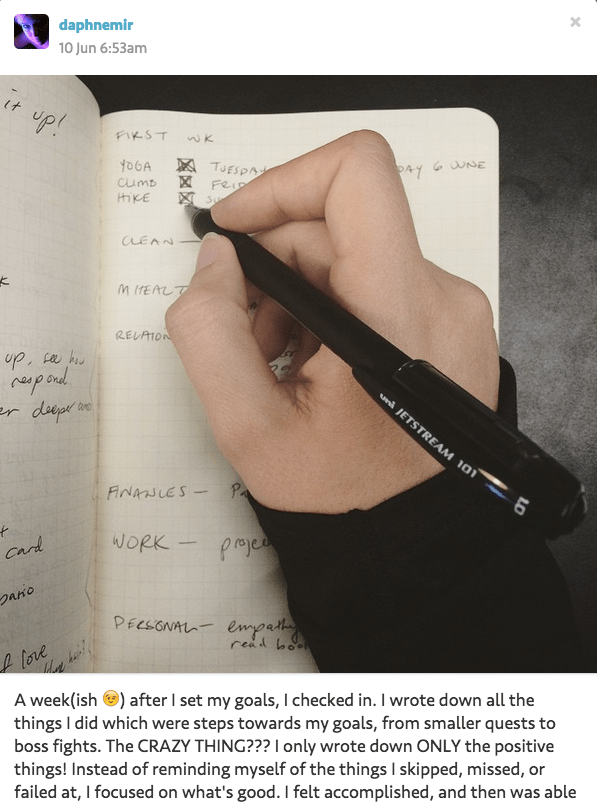





 you found me.